
Metal Cutting Tools for Machining and Shaping Parts
Metal cutting tools are essential for any construction site. From the early stages of a project to final installation, metal cutters can be used to create small pieces like nuts and bolts or more complex shapes like window panels.
Machine tool cutters are broken down into three types: single point, multi-point, and abrasive. Single point cutting tools do just that. There is a single point of contact such as when a bandsaw cuts into a part.
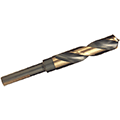
A multi-point cutting tool uses multiple surfaces to make a cut. When you examine a drill bit or a reamer, for instance, you can actually see that the spiral has multiple points, or flutes. When turned in a machine, the cutting tool will contact the part in many different points.
Abrasive cutting tools cut with the friction of high-speed spinning, such as with a bench grinder. As the wheel rubs against the part, the material gets worn away.
Shop Cutting Tools by Operation
When it comes to cutting metal, there are a number of tools that you can use. To maximize your efficiency when looking for the perfect tool for your project, bench work cutting tools can be further organized by categories based on application and design.
Counterbores and Countersinks
You can expand the opening of a hole with our counterbores and our countersinks. They produce flat-bottom and conical cavities, respectively, to permit a screw to fit flush in the hole.
Cutters and Drills
With our metal cutters, you can cut everything from rebar to gaskets to tubing. Alternatively, if you need to drill, you can find grinding attachments, drill indexes, and quick-change drivers.
Milling Cutters
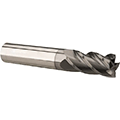
Our milling cutters are efficient, easy to use, and durable. In fact, we’ve built our reputation as industry leaders by offering customers milling cutter tools for sale.
Saws and Blades
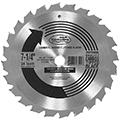
If you need a more conventional cutting tool, this is the category you’re looking for. From precision knife pens and utility knives to high-tension hacksaws and jeweler’s saw blades, we have what you need in saws and blades.
Find the Most Durable Metal Cutting Tools at Penn Tool Co.
Small metal cutting tools are essential for machining and shaping parts. Without these tools, the metalworking industry would be virtually nonexistent.
In fact, Warren Buffett, one of the smartest investors of our time, purchased a cutting tool company in 2006. Cutting tools are so important to manufacturing in the United States that the business became one of the largest investments in Buffett’s portfolio.
Simply put, cutting tools are no joke. They are some of the most valuable tools that are available to manufacturers today. However, because they are valuable, you deserve a supplier that’s reliable and knowledgeable.
At Penn Tool Co., we’re as passionate about machine tooling as we are experienced. We love any opportunity to put the perfect tools into the right hands. If you want to know more about our high-quality and durable machine cutting tools, reach out to our team today.
How should cutting tools be selected for a machining job?
Start with the operation, workpiece material, required dimensions, and surface finish. Then check machine compatibility, tool holding, and the manufacturer’s recommended cutting conditions.
When is HSS a practical choice over carbide?
HSS can be suitable for lower-speed operations, less rigid setups, and applications requiring greater toughness. Carbides often support higher cutting speeds, but the best choice depends on the material and machining conditions.
Can the same cutting tool be used on different metals?
Some tools support multiple materials, but performance depends on geometry, coating, and cutting parameters. Check the manufacturer’s material recommendations before using a tool across different metals.
What should be checked before ordering replacement tooling?
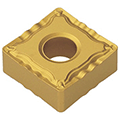
Confirm the tool dimensions, shank size, cutting direction, material grade, and coating. For indexable tooling, also verify the insert designation and compatibility with the existing holder.
What can cause a cutting tool to wear out prematurely?
Common causes include unsuitable speeds or feeds, tool runout, poor chip evacuation, inadequate rigidity, and incorrect tool selection. Review the setup and wear pattern before replacing the tool with the same option.
How can tooling costs be compared beyond the purchase price?
Consider tool life, cycle time, regrinding or insert replacement costs, and the risk of scrap or downtime. Cost per acceptable finished part provides a more useful comparison than unit price alone.


