
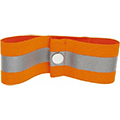
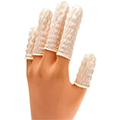

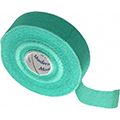
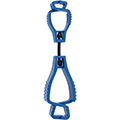
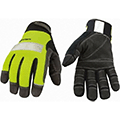
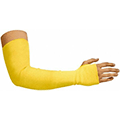
Hand and finger injuries are among the most common workplace injuries, and the right gloves prevent most of them. Penn Tool Co. stocks work gloves for machining, metal fabrication, assembly, maintenance, and lab work, including cut-resistant, coated, leather, chemical-resistant, and disposable gloves. You'll also find protective sleeves, arm and wrist bands, finger cots, finger guards, finger tape, and glove accessories to complete your hand protection program.
Hand Protection at a Glance
- What it covers: Gloves, sleeves, finger cots, finger guards, and tape that protect hands, fingers, and forearms from cuts, abrasion, chemicals, heat, and contamination.
- Main glove types: Cut-resistant, coated (nitrile, polyurethane, latex), leather, chemical-resistant, disposable, and general-purpose knit gloves.
- Cut rating standard (U.S.): ANSI/ISEA 105 rates cut resistance from A1 (lowest) to A9 (highest).
- Mechanical rating (Europe): EN 388 rates abrasion, cut, tear, and puncture resistance.
- Workplace requirement: OSHA 29 CFR 1910.138 requires employers to select hand protection suited to the hazards employees face.
Types of Work Gloves
Cut-Resistant Gloves
Cut-resistant gloves are made from high-performance fibers such as HPPE, aramid, and steel or glass-fiber blends. They protect against sharp edges on sheet metal, burrs, chips, glass, and blades. Choose the cut level based on how sharp the material is and how often workers handle it.
Coated Gloves
Coated gloves combine a knit liner with a palm or fingertip coating for grip and abrasion resistance. Nitrile coatings grip well in oily conditions, which makes them popular in machine shops. Polyurethane (PU) coatings are thin and give excellent dexterity for precision assembly. Latex coatings provide strong grip in dry and wet conditions.
Leather Work Gloves
Leather gloves resist abrasion, sparks, and moderate heat, making them a staple for material handling, fabrication, and welding-adjacent work. Cowhide is durable and economical, goatskin is soft and dexterous, and pigskin holds up well when wet.
Chemical-Resistant Gloves
Chemical-resistant gloves are made from nitrile, neoprene, PVC, butyl, or similar materials. No single material resists every chemical, so check the glove's chemical resistance data against the substances you handle, including coolants, solvents, degreasers, and acids.
Disposable Gloves
Disposable gloves protect hands and products during short tasks such as cleaning, painting, lab work, and handling parts. Nitrile is the most popular choice for its puncture and chemical resistance and is latex-free. Vinyl is economical for light-duty, low-risk tasks, while latex offers a close fit for those without latex sensitivities. Thickness is measured in mils; thicker gloves last longer, thinner gloves offer more tactile sensitivity.
Sleeves, Finger Cots, Guards & Tape
Protective sleeves extend cut, abrasion, and heat protection up the forearm, where gloves stop. Finger cots cover individual fingertips to protect products from oils and contamination in electronics, inspection, and cleanroom work. Finger guards shield individual fingers from impact and cuts, and finger tape adds protection against abrasion and blisters during repetitive handling.
Understanding ANSI Cut Levels
ANSI/ISEA 105 measures cut resistance by the weight (in grams) a blade needs to cut through glove material, tested under ASTM F2992. Higher levels mean greater protection.
| ANSI Cut Level | Grams to Cut | Typical Applications |
|---|---|---|
| A1 | 200 to 499 | Light material handling, small parts assembly |
| A2 | 500 to 999 | General assembly, packaging, light-duty work |
| A3 | 1,000 to 1,499 | Light metal handling, drywall, construction |
| A4 | 1,500 to 2,199 | Metal stamping, HVAC, sheet metal handling |
| A5 | 2,200 to 2,999 | Machining, metal fabrication, sharp edges |
| A6 | 3,000 to 3,999 | Heavy sheet metal, glass handling |
| A7 to A9 | 4,000 and above | Extreme cut hazards such as large sheet metal, blades, and glass manufacturing |
How to Choose the Right Work Gloves
- Identify the hazard: Match the glove to cuts, abrasion, punctures, chemicals, heat, vibration, or contamination.
- Check the rating: Use ANSI cut levels for cut hazards and chemical resistance data for chemical exposure.
- Balance protection and dexterity: Thicker gloves protect more but reduce feel. Precision work calls for thinner coated or disposable gloves.
- Consider grip conditions: Nitrile coatings work best with oil; latex grips well wet or dry.
- Get the fit right: Gloves that are too loose snag and reduce control; gloves that are too tight cause fatigue. Never wear gloves near rotating machinery such as lathes, drills, and mills where they could be caught.
- Cover the forearm: Add sleeves when sharp edges or heat extend beyond the wrist.
About Penn Tool Co.
Since 1968, Penn Tool Co., Inc. has supplied industrial tools and safety products to manufacturers, machinists, maintenance teams, and government buyers nationwide. The family-owned company is based in Maplewood, New Jersey, and holds GSA Contract GS-06F-0042S.
Penn Tool Co. offers a Price Match Guarantee and nationwide shipping. For help choosing gloves or a volume quote for your team, call 800-526-4956 or request a quote.
Frequently Asked Questions
What are the different types of work gloves?
The main types of work gloves are cut-resistant, coated (nitrile, polyurethane, or latex), leather, chemical-resistant, disposable, and general-purpose knit gloves. Each type protects against different hazards, so choose based on the specific risks of the task.
What do ANSI cut levels mean?
ANSI cut levels, defined by ANSI/ISEA 105, rate a glove's cut resistance from A1 to A9 based on the grams of force a blade needs to cut through the material. A1 offers the least protection; A9 offers the most.
What cut level gloves do I need for machining or sheet metal?
Many shops use ANSI A4 to A5 gloves for handling sheet metal, stamped parts, and sharp-edged workpieces. Heavier or sharper sheet metal may call for A6 or higher. Never wear gloves near rotating spindles or chucks.
Should you wear gloves when operating a lathe or drill press?
No. Gloves should not be worn when operating rotating machinery such as lathes, mills, drill presses, and grinders, because a glove can catch and pull the hand into the machine. Wear gloves for handling parts and chips when the machine is stopped.
What is the difference between nitrile, latex, and vinyl disposable gloves?
Nitrile gloves are latex-free and resist punctures, oils, and many chemicals. Latex gloves offer a close, flexible fit but can cause allergic reactions. Vinyl gloves are the most economical and suit light-duty, low-risk tasks with minimal chemical exposure.
Which glove coating gives the best grip in oily conditions?
Nitrile coatings, especially foam or sandy nitrile, give the best grip on oily parts. They're widely used in machine shops, automotive work, and metal handling where coolant or oil is present.
What are finger cots used for?
Finger cots are thin covers worn over individual fingertips. They protect sensitive products such as electronics, optics, and precision parts from skin oils and contamination, and can protect a minor fingertip injury without wearing a full glove.
What does EN 388 mean on work gloves?
EN 388 is the European standard for mechanical hazards. It rates gloves on abrasion, cut, tear, and puncture resistance, with optional ratings for ISO cut (A to F) and impact protection, shown as a series of numbers and letters on the glove.
Does OSHA require employers to provide gloves?
Yes. OSHA 29 CFR 1910.138 requires employers to select and require appropriate hand protection when employees' hands are exposed to hazards such as cuts, abrasions, punctures, chemicals, or harmful temperatures.
Where can I buy work gloves and hand protection online?
Penn Tool Co. sells work gloves and hand protection online, including cut-resistant, coated, leather, chemical-resistant, and disposable gloves, plus sleeves and finger cots, with nationwide shipping. The Maplewood, NJ supplier has served industry since 1968 and is a GSA contract holder.


