
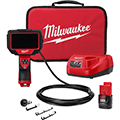
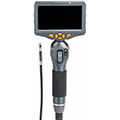
Borescope Camera for Inspection and Industrial Applications
A borescope camera is a specialized inspection tool used to visually examine hard-to-reach areas inside machinery, engines, pipes, and enclosed spaces. Borescope cameras are common in maintenance, manufacturing, automotive, and inspection environments where disassembly is impractical or time-consuming.
Penn Tool Co. offers a wide selection of borescope camera kits, camera accessories, inspection cameras, and video borescopes designed for professional and industrial use. These tools give technicians a clear view, helping them diagnose issues, verify conditions, and improve efficiency across applications.
What Is a Borescope Camera?
A borescope camera is a flexible or rigid inspection device equipped with a small camera and light source. It allows users to see inside enclosed spaces and typically includes a display or connects to a mobile device for real-time viewing.
Borescope cameras are known for:
1. Accessing confined or internal areas
2. Providing real-time visual inspection
3. Reducing the need for disassembly
4. Improving diagnostic accuracy
Borescope cameras are frequently used to inspect internal components of machine tools, engines, and other enclosed systems where direct access is limited.
Types of Borescope Cameras Available
Understanding the different types of borescope cameras helps you select the right tool for your application.
Rigid Borescope Cameras
Rigid borescope cameras provide straight-line viewing with high image clarity, making them ideal for inspections where direct access is available.
Flexible Borescope Cameras
Flexible borescope cameras use a bendable probe to navigate tight or curved spaces that are not accessible with rigid tools.
Video Borescopes
Video borescopes include built-in screens or digital output, allowing users to record and review inspections in real time.
Articulating Borescope Cameras
Articulating borescope cameras feature adjustable probe tips that allow for navigation through complex pathways and around obstacles.
Wireless Inspection Cameras
Wireless inspection cameras connect to smartphones or tablets, enabling portable and real-time viewing without the need for wired connections.
Key Features of a Borescope Camera
When evaluating a borescope camera, consider the following features:
1. Probe diameter and length
2. Image resolution and display quality
3. Lighting (LED brightness and adjustability)
4. Articulation and flexibility
5. Recording and storage capabilities
6. Compatibility with mobile devices
These features determine visibility, ease of use, and inspection accuracy.
Borescope Camera vs. Endoscope
An endoscope is a flexible inspection device commonly used in medical or light-duty applications to view internal spaces. The table below highlights the difference between a borescope camera and an endoscope:
| Feature | Borescope Camera | Endoscope |
| Primary use | Industrial inspection | Medical or light inspection |
| Durability | High (industrial grade) | Moderate |
| Image quality | High | Moderate to high |
| Flexibility | Flexible or rigid options | Typically flexible |
| Application | Engines, pipes, machinery | Medical, light-duty use |
How to Choose the Right Borescope Camera
Selecting the right borescope camera depends on your inspection needs and environment.
1. Inspection Area
Choose probe length and flexibility based on how deep or complex the inspection path is.
2. Required Visibility
Higher resolution and better lighting improve image clarity in dark environments.
Borescope cameras are often used as part of a broader set of inspection and testing instruments, helping technicians confirm internal conditions and identify issues without disassembly.
3. Application
1. Automotive → engine inspection
2. Industrial → machinery and equipment
3. Plumbing → pipe inspection
4. Portability
Wireless and handheld models are ideal for field work.
5. Recording Needs
Choose video-enabled models for documentation and reporting.
Borescope Camera Use Cases
Borescope cameras are used in industries where internal inspection is required:
1. Automotive diagnostics and engine inspection
2. Industrial maintenance and equipment inspection
3. Plumbing and pipe inspection
4. HVAC system inspection
5. Quality control and troubleshooting
Borescope Camera Brands Available
Penn Tool Co. carries inspection cameras and borescopes from trusted manufacturers used in professional environments:
1. General Tools inspection cameras
2. Flexbar borescopes
3. Gradient lens (Hawkeye) borescopes
4. Aven inspection systems
5. Titan video borescopes
These brands are known for durability and clarity.
Borescope Camera Accessories
Supporting components help improve usability and extend tool life:
1. Replacement probes and camera heads
2. Lighting attachments and accessories
3. Monitors and display systems
4. Storage and protective cases
Browse related inspection camera accessories to support your setup and improve inspection efficiency.
Why Choose Penn Tool Co. for Borescope Cameras
Penn Tool Co. provides inspection tools backed by decades of industry experience.
What sets us apart:
1. Over 50 years of tooling expertise
2. Industrial-grade inspection solutions
3. Trusted brands and reliable sourcing
4. Consistent order processing
5. Support for professional environments
Shipping & Delivery Information
Shipping costs are calculated automatically at checkout. Most borescope cameras ship via standard carriers, while larger inspection systems may require freight shipping. Penn Tool Co. ships domestically and internationally.
Find the Right Borescope Camera for Your Application
Choosing the right borescope camera improves inspection accuracy, reduces downtime, and enhances maintenance efficiency. Penn Tool Co. offers inspection cameras for light-duty diagnostics and industrial applications.
Browse available borescope cameras online or contact our team for assistance selecting the right system.
Frequently Asked Questions About Borescope Cameras
What is a borescope camera?
A borescope camera is an inspection tool used to view hard-to-reach or enclosed spaces using a small camera and light source. It allows users to inspect internal components without disassembly. This makes it essential for maintenance, diagnostics, and quality control.
What is a borescope camera used for?
A borescope camera is used for inspecting engines, pipes, machinery, and other enclosed areas. It helps identify damage, blockages, or wear without taking equipment apart. This improves efficiency and reduces downtime.
What is the difference between a borescope and an endoscope?
The difference between a borescope and an endoscope is that borescopes are designed for industrial use while endoscopes are typically used in medical or light-duty applications. Borescopes are more durable and suited for harsh environments. Endoscopes are generally more flexible but less rugged.
How do you use a borescope camera?
Using a borescope camera involves inserting the probe into the inspection area and viewing the live feed on a screen or device. Many models allow recording images or video for documentation. Proper handling ensures accurate inspection results.
Are borescope cameras good for automotive inspection?
Yes, borescope cameras are good for automotive inspection because they allow technicians to inspect engines, cylinders, and internal components without disassembly. This helps identify issues quickly and accurately. They are widely used in diagnostics and maintenance.
What is the best borescope camera to buy?
The best borescope camera to buy depends on your application, required probe size, and image quality. Industrial users often prefer articulating or video borescopes for better visibility. Choosing the right model ensures efficient and accurate inspections.
Can a borescope camera record video?
Yes, many borescope cameras can record video and capture images for documentation and analysis. This feature is useful for inspections, reporting, and troubleshooting. Recording capabilities vary by model and system.
Are borescope cameras waterproof?
Yes, many borescope cameras are waterproof or water-resistant, allowing them to be used in pipes, drains, and wet environments. Waterproof ratings vary by model, so it’s important to check specifications. This feature improves their versatility across different applications.


