Deburring Wheels Explained: Improve Finish and Operator Safety
Deburring Wheels Explained: Improve Finish and Operator Safety

In the high-stakes world of North American manufacturing, the difference between a premium component and a scrap-heap candidate often comes down to the final few seconds of production.
We aren’t talking about the CNC cycle or the initial cut, we’re talking about the "burr." Those stubborn, jagged remnants of metal left behind after machining, punching, or shearing are more than just an aesthetic eyesore; they are functional liabilities.
Choosing the right deburring wheels for your shop is a strategic decision that impacts everything from part tolerance and coating adhesion to the literal safety of your team. Whether you are a shop foreman looking to optimize a high-volume production line or a purchasing manager sourcing reliable finishing tools, understanding the nuances of abrasive technology is key to a smooth operation.
Why Metal Deburring is Non-Negotiable
A "burr" is essentially a displaced flap of metal that occurs during various fabrication processes. If left unaddressed, these edges can cause part misalignment, electrical short circuits, or, most commonly, prevent a proper fit during assembly.
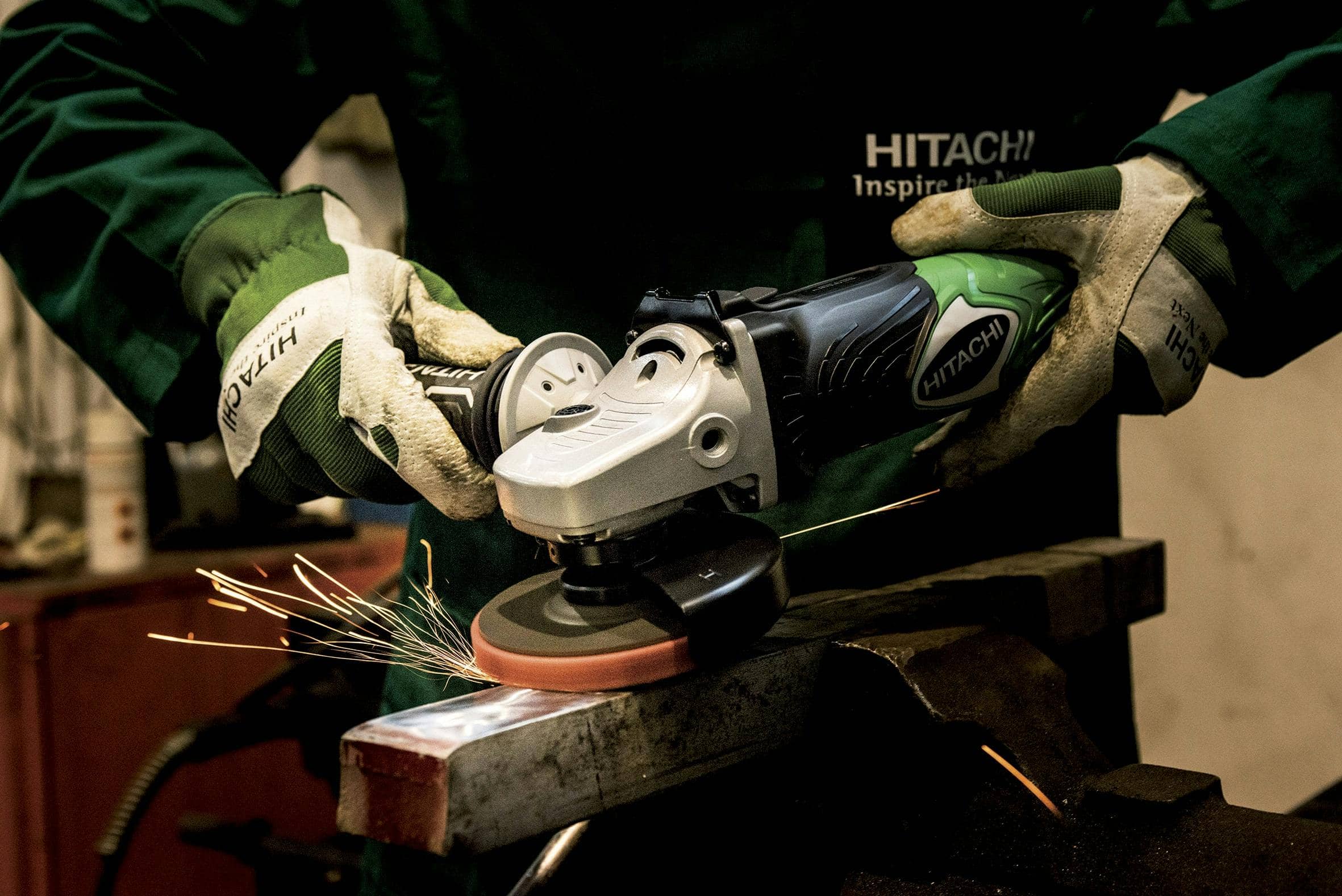
Beyond functionality, metal deburring is a critical safety protocol. Sharp edges are the primary cause of lacerations on the shop floor. By integrating high-quality abrasive wheels into your workflow, you transform a hazardous, raw component into a safe, professional-grade product.
The Core Technology: Convoluted vs. Unitized Wheels
When you browse the selection at Penn Tool Co., you’ll notice two primary constructions of deburring wheels. Selecting the right one depends entirely on your specific application and the geometry of your workpieces.
-
Convoluted Deburring Wheels
These wheels are created by wrapping abrasive web material around a central core.
- The Advantage: They offer a high level of consistency and are designed to run in a single direction (indicated by an arrow on the wheel).
- Best For: Heavy-duty edge finishing on flat surfaces or parts where you need a consistent, repeatable finish over long production runs. They are less likely to "smear" the metal, making them ideal for high-precision aerospace or medical components.
-
Unitized Deburring Wheels
Unitized wheels are made by compressing several layers of abrasive material and bonding them together.
- The Advantage: They are multi-directional and generally more durable on small, intricate parts.
- Best For: Versatile surface prep on small components, reaching into tight radiuses, and working on parts where the operator needs to move the workpiece in multiple directions without damaging the wheel.
Improving Finish and Surface Prep
High-quality deburring wheels do more than just knock off sharp edges; they provide the foundation for subsequent surface prep. If your parts are destined for painting, powder coating, or plating, the quality of the "mechanical tooth" created by the abrasive is vital.
- Consistent Finishes: Unlike manual filing, which is subject to human error and pressure variance, a mechanical wheel provides a uniform finish across 1,000 parts.
- Blending and Refining: In addition to removing burrs, these wheels excel at blending machine marks and refining the surface to a specific Ra (Roughness Average) value.
- Reduced Rework: Investing in the right deburring discs and wheels reduces the likelihood of parts being rejected during quality control due to inconsistent edge radii.
Operator Safety: A Top-Tier Priority
Safety in a B2B environment is often measured by "Lost Time Incidents." Manual deburring with hand scrapers or files is not only slow but is also a leading cause of repetitive strain injuries (RSI) and accidental cuts.
How Deburring Wheels Enhance Safety:
- Reduced Vibration: Modern wheels are designed to be well-balanced, reducing the "hand-arm vibration" that operators experience during long shifts.
- Cooler Operation: High-quality finishing tools are designed to dissipate heat. This prevents the workpiece from becoming too hot to handle and reduces the risk of thermal damage to the metal.
- Containment of Debris: Unlike wire brushes, which can throw dangerous metal "needles" at high speeds, abrasive wheels wear down predictably and produce less hazardous flying debris.
Selecting the Right Grade and Grit
The "secret sauce" of a perfect finish lies in the abrasive mineral used within the wheel.
-
Silicon Carbide (SiC): This is a sharper, more friable mineral. It’s the go-to choice for fast-cutting and creating a bright, polished finish on non-ferrous metals like aluminum and brass.
-
Aluminum Oxide (AO): AO is tougher and more durable. It is generally preferred for metal deburring on harder materials like stainless steel, carbon steel, and high-nickel alloys where a "tougher" abrasive is required to withstand the heat of the grind.
Density and Hardness
Deburring wheels are typically rated on a density scale (from 2 to 9).
-
Soft Density (2-4): Provides more "conformability." Use these for contoured parts where you want to deburr without changing the shape of the workpiece.
-
Hard Density (7-9): Offers maximum durability and edge retention. These are best for heavy-duty edge breaking on flat, thick-gauge metal.
The Penn Tool Co. Advantage
At Penn Tool Co., we understand that a deburring wheel isn't just a consumable—it's a critical component of your manufacturing efficiency. We stock an assortment of industry-leading brands known for their balance, longevity, and "smear-resistant" properties.
Whether you are looking for 6-inch wheels for a bench grinder or specialized unitized discs for a die grinder, our inventory is curated to meet the rigorous demands of North American fabrication shops.
|
Application |
Recommended Wheel Type |
Primary Mineral |
|
High-Volume Flat Parts |
Convoluted (9S Fine) |
Silicon Carbide |
|
Intricate Surgical Tools |
Unitized (2S Fine) |
Silicon Carbide |
|
Heavy Stainless Deburring |
Convoluted (8A Medium) |
Aluminum Oxide |
|
Aluminum Surface Blending |
Unitized (6S Medium) |
Silicon Carbide |
Final Thoughts: Efficiency in Every Rotation
In today's competitive landscape, "good enough" is rarely sufficient. Transitioning from manual methods to high-performance deburring wheels is one of the fastest ways to increase your shop's throughput while simultaneously protecting your most valuable asset: your employees.
By matching the density, grit, and mineral to your specific material, you ensure that every part leaving your facility is clean, safe, and ready for its final application.