Gerstner Toolboxes Review: Pros, Cons, Are They Worth the Price?
Gerstner Toolboxes Review: Pros, Cons, Are They Worth the Price?

If you work in a machine shop or a tool and die room, your tools are your paycheck. You wouldn’t use a cheap, plastic ruler to measure a critical part, so why keep your expensive gear in a flimsy bin?
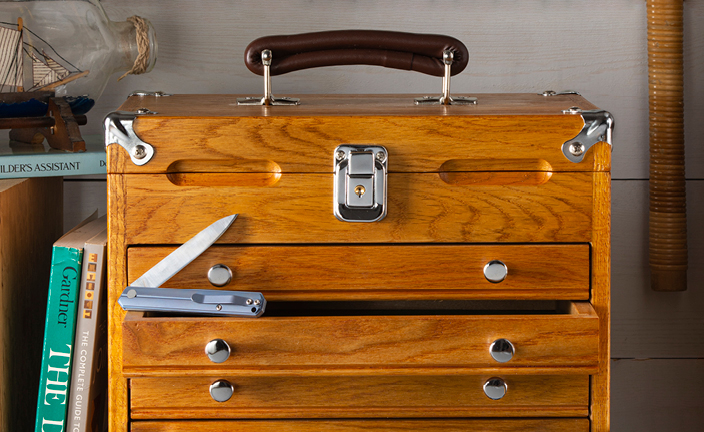
For over a hundred years, H. Gerstner & Sons has been the top name in American workshops. Seeing a Gerstner chest on someone’s bench tells you a lot about them: they care about precision, and they respect their craft. But with all the heavy-duty steel cabinets and plastic cases out there today, are Gerstner toolboxes worth it?
In this Gerstner toolboxes review, Penn Tool Co. helps you look at the Gerstner toolboxes' pros and cons to decide if one belongs in your shop.
Why Wood? The Gerstner Legacy
In 1906, Harry Gerstner realized that although metal was strong, it was a poor choice for protecting precision instruments. While most brands shifted to mass-produced steel, Gerstner stuck with Golden Oak, Cherry, and Walnut for one reason: physics.
Wood has three critical advantages for tool preservation:
- Thermal Insulation: Metal conducts heat and sweats during temperature swings, causing condensation. Wood is a natural insulator with a thermal conductivity of roughly 0.16 watts per meter-kelvin, compared to a staggering 54 watts per meter-kelvin for Carbon Steel, as noted by Engineering ToolBox. This prevents the rapid temperature changes that lead to rust.
- Moisture Regulation: Wood acts as a humidity buffer. It slowly absorbs and releases moisture, keeping the environment inside the drawers below the threshold where steel begins to corrode.
- Stability: Gerstner uses quarter-sawn wood, a specific cut where the grain runs vertically. This makes the boards more stable than standard flat-sawn wood, ensuring drawers never warp or stick.
This combination of material science and craftsmanship is why a Gerstner chest isn't just industrial art; it’s a functional shield for your livelihood.
Gerstner Toolboxes: Exploring the Pros and Cons
Choosing a Gerstner is usually a choice between spending more now to protect your tools for a lifetime. Here is how they stack up:
|
Feature |
The Good (Why Pros Love Them) |
The Bad (The Trade-offs) |
|
Tool Safety |
No Rust: Wood doesn't "sweat" like metal. It keeps your tools dry and rust-free. |
Needs Love: You can't just spray wood with shop degreaser. It needs specific care. |
|
Organization |
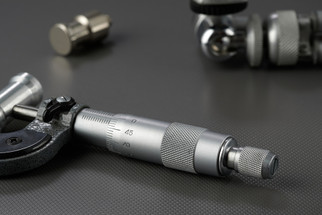
Perfect Fit: Dozens of thin, felt-lined drawers keep your micrometers from sliding around. |
Heavy: A full oak chest is a beast. It’s meant to stay on your bench, not be wheeled around. |
|
Durability |
Generational: These are built to last 50 to 100 years. Gerstner toolbox durability is legendary. |
Initial Cost: They cost much more upfront than a basic steel box. |
|
The Look |
Pro Image: It shows clients and bosses that you’re a master of your craft. |
Cleaning Time: You’ll need to polish the wood and keep the felt clean to keep it looking new. |
Gerstner vs. Other Toolboxes: Which is Right for You?
When looking at Gerstner vs. other toolboxes, you usually have three main choices:
|
Category |
Best For |
The Catch |
|
Gerstner (Wood) |
Precise tools, clean rooms, and inspection labs. |
Not for greasy, oily areas. |
|
Kennedy (Steel) |
Tough, fire-resistant "workhorses" for heavy machining. |
Can be loud; steel can cause moisture to build up. |
|
Modern Carts |
Moving 500 lbs of heavy tools across a huge factory. |
Way too big for tiny precision parts; no felt lining. |
So, are Gerstner toolboxes good for every job? Maybe not for a greasy garage, but for a pro machinist or inspector, they are the best in the business.
Gerstner Toolbox Buying Guide: Features to Watch For
Here are the Gerstner toolboxes' features that actually matter:
- Quarter-Sawn Wood: This isn't just for looks. It stops the wood from warping, so the drawers always slide perfectly.
- Felt Lining: This wicks moisture away and helps keep your tools' polished surfaces from getting scratched.
- The Front Cover: Most models have a locking cover that slides under the bottom drawer when you’re working. It keeps your tools safe and dust-free when you go home.
- Nickel-Plated Hardware: It’s built to look good while resisting the oils found in a typical shop.
The Verdict: Are Gerstner Toolboxes Worth It?
For a Gerstner large tool chest review, you have to look beyond the price tag. A cheap metal box might rust or warp in ten years. A Gerstner chest tends to appreciate in value over time.
For most pros, the best professional toolboxes Gerstner makes pay for themselves because:
- Tools Last Longer: If you stop one $500 micrometer from rusting, the box has already started paying you back.
- You’re Faster: No more digging through deep drawers. You find what you need in seconds.
- It’s a Perk: For many, owning a Gerstner is the ultimate sign that you’ve "made it" in your career.
At Penn Tool Co., we’ve seen every kind of storage come and go. But the best professional toolboxes Gerstner produces are still what we recommend for anyone who wants the best. Explore the best Gerstner toolboxes at Penn Tool Co. today.
Frequently Asked Questions
How do I clean my Gerstner chest?
To keep your chest in top shape, wipe the wood down occasionally with a high-quality furniture polish or wood preservative. This prevents the wood from drying out in dry shop environments. Always avoid harsh industrial degreasers or chemicals. For the nickel-plated hardware, a quick buffing with a soft, clean cloth will keep it shining and looking brand new for decades.
What’s the difference between the USA and International models?
The USA models are handcrafted in Dayton, Ohio, using premium domestic hardwoods and traditional tongue-and-groove joinery. These are the top, heirloom-quality chests. The International line is an imported version that offers the same legendary organization and style at a more affordable price. It’s an excellent choice for apprentices, students, or hobbyists looking to start their collection without the premium USA price tag.
Oak, Cherry, or Walnut, which should I get?
Golden Oak is the "classic" machinist’s choice because it is incredibly tough, and the prominent grain hides small scratches well. American Cherry and Walnut have a smoother, more refined look that is perfect for clean rooms or professional offices. No matter which wood you choose, you will get the same great thermal insulation and moisture protection that keeps your precision tools in perfect condition.