How to Evaluate a Cutting Tool Supplier for Production Needs?
How to Evaluate a Cutting Tool Supplier for Production Needs?

In manufacturing, a cutting tool is only as dependable as the supply chain behind it. A delayed shipment can stall a machining operation, while an unsuitable tool can compromise tolerances, increase scrap, and drive-up production costs. That makes supplier selection a practical production decision, not just a purchasing task.
Evaluating a cutting tool supplier against machining requirements, production volumes, and operational priorities helps manufacturers maintain consistent output, control costs, and meet production targets.
Assess Cutting Tool Quality and Consistency
Tool quality directly affects machining performance, surface finish, dimensional accuracy, and tool life. Inconsistent cutting tools can lead to rejected parts, frequent replacements, and unplanned production interruptions.
Evaluate suppliers based on:
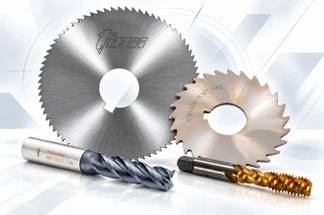
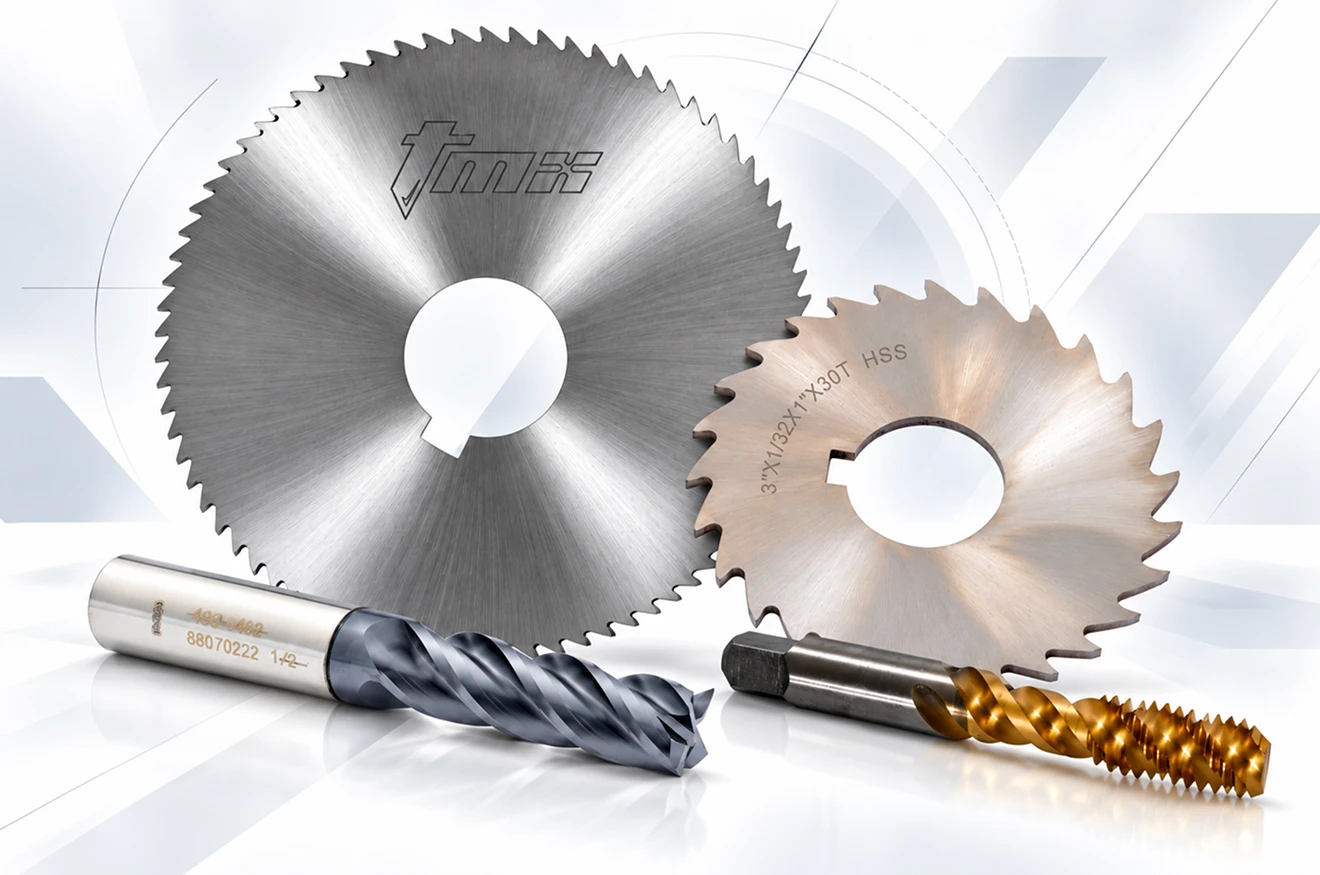
- Material and coating quality: Check whether the tools use suitable carbide grades, high-speed steel, coatings, and geometries for the intended application.
- Manufacturing consistency: Confirm that tools meet the required dimensional tolerances and performance specifications across batches.
- Application suitability: Ensure the supplier offers tools suited to the materials, machining operations, and cutting conditions used in production.
If possible, test sample tools under actual machining conditions before committing to larger orders.
Check Product Availability and Delivery Timelines
A production schedule depends on having the right cutting tools available at the right time. Stock shortages, extended lead times, or inconsistent deliveries can delay machining operations and affect order fulfilment.
Ask potential suppliers about inventory levels, lead times, order-fulfilment processes, and their ability to handle urgent requirements. For frequently used tools, reliable access to standard sizes and specifications is particularly important.
A supplier with transparent inventory information and dependable delivery schedules help manufacturers plan production more effectively and reduce the need for excessive safety stock.
Evaluate Technical Expertise and Application Support
Different materials and machining operations require different cutting tool solutions. A supplier should understand these differences and recommend tools based on actual production requirements rather than simply offering available products.
Look for expertise in areas such as:
- Selecting tools for stainless steel, aluminium, and other workpiece materials.
- Recommending appropriate cutting speeds, feed rates, and machining parameters.
- Troubleshooting premature tool wear, vibration, poor surface finish, and chip evacuation issues.
- Identifying opportunities to improve tool life and machining efficiency.
Access to knowledgeable technical support can help manufacturers resolve machining challenges and improve productivity over time.
Compare Total Cost, Not Just Purchase Price
The purchase price is only one part of a cutting tool's overall cost. Tool replacement frequency, machining efficiency, scrap rates, and machine downtime all contribute to the total cost of production. Comparing these factors helps manufacturers determine whether a supplier offers genuine value over the tool's service life.
For a meaningful comparison, evaluate the cost per component or completed machining operation.
Consider these factors:
- Cost per machined part.
- Tool life under actual operating conditions.
- Machine downtime associated with tool changes.
- Scrap and rework caused by inconsistent machining results.
- Inventory and emergency procurement costs.
This approach helps manufacturers select suppliers based on measurable production value rather than unit price alone.
Review Customization and Product Range
Production requirements can change with new materials, tighter tolerances, and evolving part designs. A supplier with a broad product range and customization capabilities can help manufacturers adapt without managing multiple vendors for every requirement.
Check whether the supplier offers standard and specialized cutting tools, application-specific geometries, custom tooling options, and compatible accessories. The ability to source multiple tool types from one supplier can also simplify procurement and inventory management.
However, product range should not outweigh quality or application expertise. The priority is finding a supplier whose capabilities align with current and anticipated production needs.
Examine Customer Service and Long-Term Reliability
A dependable supplier should provide support beyond order fulfilment. Clear communication, responsive service, and consistent follow-through become especially important when production problems arise.
Before making a commitment, assess how quickly the supplier responds to technical questions, handles order discrepancies, manages returns, and communicates delivery changes. Customer references and a trial order can offer useful insight into its reliability.
It is also worth reviewing whether the supplier can support increased production volumes as business requirements grow. A strong working relationship can improve planning, reduce procurement friction, and make future tooling decisions easier.
Make the Right Choice for Organization’s Production Line
Evaluating a cutting tool supplier requires a balanced assessment of quality, availability, technical expertise, total cost, and service reliability. The right partner should help maintain consistent machining performance while supporting production targets and long-term efficiency.
Before selecting a supplier, define production requirements, compare shortlisted vendors against measurable criteria, and validate their tools through practical testing. A well-informed decision can reduce avoidable costs, improve machining consistency, and create a more dependable production process.
With over 50 years of experience, we offer a wide selection of industrial cutting tools and machining supplies to support diverse manufacturing requirements. Explore our product range to find the tools required to keep production moving efficiently.
Request a quote for more information.