
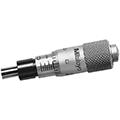
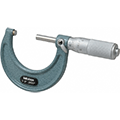
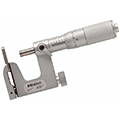
Micrometers for Precision Measurement
A micrometer is a precision measuring tool used to calculate extremely small dimensions with high accuracy, typically to one-thousandth of an inch or smaller. Micrometers are widely used in machining, inspection, manufacturing, and quality control where tight tolerances are critical.
Penn Tool Co. offers a full range of digital and mechanical micrometers designed for professional use. Whether you need an outside micrometer for measuring part thickness or a specialized tool for inspection work, these instruments deliver consistent results.
What Is a Micrometer?
A micrometer is a precision instrument that leverages a calibrated screw mechanism to measure small distances with exceptional accuracy. It is commonly used to measure thickness, diameter, and depth in metalworking and manufacturing.
Micrometers are known for:
1. High measurement accuracy
2. Repeatability in tight tolerance work
3. Fine adjustment control
4. Reliability in shop and inspection environments
When accuracy is essential, you can use a micrometer to get measurements to a fraction of a millimeter.
Types of Micrometers Available
Understanding the different types of micrometers helps ensure you select the right tool for your application.
1. Outside Micrometers: Used to measure external dimensions such as thickness and outside diameter.
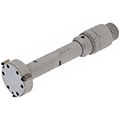
2. Inside Micrometers: Designed for measuring internal diameters of holes and bores.
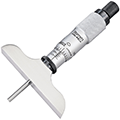
3. Depth Micrometers: Used to measure depths of holes, slots, and recesses.
4. Digital Micrometers: Feature an electronic display for quick, easy readings and unit conversion.
5. Mechanical (Analog) Micrometers: Use a graduated scale and thimble for manual readings, preferred for durability and reliability.
Key Features of a Micrometer
When evaluating a micrometer, consider the following features:
1. Measurement range (commonly 0–1", 1–2", etc.)
2. Accuracy and resolution
3. Digital vs mechanical readout
4. Carbide measuring faces
5. Ratchet stop for consistent pressure
6. Frame rigidity and thermal stability
These features directly impact measurement consistency and long-term reliability. In addition to micrometers, we also offer dial calipers for quick, general measurements.
Micrometer vs. Caliper
The table below highlights the key differences between a micrometer and a caliper:
|
Feature |
Micrometer |
Caliper |
|
Accuracy |
Higher (±0.0001") |
Moderate (±0.001") |
|
Measurement Type |
Specific (OD, ID, depth) |
Versatile (OD, ID, depth) |
|
Ease of Use |
Moderate learning curve |
Easier to use |
|
Precision Work |
Ideal |
Limited |
|
Speed |
Slower |
Faster |
For more versatile measurement tasks, explore our digital calipers, which allow faster readings across multiple dimensions.
How to Choose the Right Micrometer
Selecting the right micrometer depends on your application and required precision.
1. Measurement Type
Choose outside, inside, or depth micrometers based on what you're measuring.
2. Required Accuracy
Inspection and quality control applications require higher precision than general shop use.
3. Digital vs. Mechanical
1. Digital: faster readings, easier to use
2. Mechanical: more durable, no batteries required
4. Measurement Range
Ensure the micrometer covers the size range of your parts.
5. Work Environment
Consider coolant, debris, and shop conditions when selecting durability features.
Micrometer Use Cases
Micrometers are used in environments where precision matters:
1. Machining and toolrooms
2. Quality control and inspection
3. Manufacturing and production
4. Maintenance and repair
5. Research and development
Micrometer Brands Available
Penn Tool Co. carries micrometers from trusted manufacturers used in professional environments:
1. Mitutoyo micrometers
2. Fowler micrometers
3. Brown & Sharpe micrometers
4. Asimeto micrometers
5. SPI (Swiss Precision Instruments) micrometers
6. iGaging micrometers
7. Starrett micrometers
8. Insize micrometers
These brands are known for accuracy, durability, and measurement consistency.
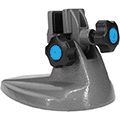
Micrometer Accessories
Supporting tools help maintain accuracy and extend tool life:
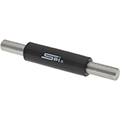
1. Calibration standards and gauge blocks
2. Protective cases
3. Replacement parts and anvils
4. Data output accessories (for digital models)
Proper storage and calibration help ensure reliable measurements over time.
Why Choose Penn Tool Co. for Micrometers
Penn Tool Co. provides precision measuring tools backed by decades of industry experience.
What sets us apart:
1. Over 50 years of tooling expertise
2. Trusted industrial brands
3. Accurate order processing
4. Reliable shipping and fulfillment
5. Support for professional and shop environments
Shipping & Delivery Information
Shipping costs are calculated automatically at checkout. Most micrometers ship via standard carriers due to their compact size and weight. Penn Tool Co. ships domestically and internationally.
Find the Right Micrometer for Your Application
Choosing the right micrometer ensures accurate measurements, reduced rework, and improved efficiency. Penn Tool Co. offers a wide selection of micrometers for machining, inspection, and precision measurement.
Browse available micrometers online or contact our team for help selecting the right model.
Frequently Asked Questions About Micrometers
What is a micrometer?
A micrometer is a precision measuring tool used to measure very small distances with high accuracy. It is commonly used in machining and inspection where tight tolerances are required. Compared to other tools, micrometers provide more precise and repeatable measurements.
What is a micrometer used for?
A micrometer is used for measuring small dimensions such as thickness, outside diameter, and depth. It is essential in machining, manufacturing, and quality control applications where accuracy is critical. These tools help ensure parts meet exact specifications.
How do you read a micrometer?
Reading a micrometer involves interpreting the sleeve scale and thimble markings to determine the measurement. Digital micrometers simplify this by displaying the value directly. Learning to read both types is important for accurate measurement in different environments.
How do you use a micrometer correctly?
Using a micrometer correctly involves placing the part between the anvil and spindle, then turning the ratchet until consistent pressure is applied. The measurement is then read from the scale or display. Proper technique ensures repeatable and accurate results.
Are micrometers more accurate than calipers?
Yes, micrometers are more accurate than calipers because they are designed for high-precision measurement. They are typically used when tighter tolerances are required. Calipers are more versatile but less precise.
What is the difference between a micrometer and a caliper?
The difference between a micrometer and a caliper is that a micrometer provides higher precision while a caliper offers more versatility. Micrometers are used for exact measurements, while calipers are used for quicker general measurements. Both tools are commonly used together in machine shops.
How accurate is a micrometer?
Micrometers are highly accurate, often capable of measuring within ±0.0001 inches or better. Accuracy depends on the model, calibration, and proper usage. High-end micrometers are used in inspection environments requiring tight tolerances.
Do micrometers need calibration?
Yes, micrometers require periodic calibration to maintain accuracy. Calibration is typically performed using gauge blocks or standards. Regular calibration ensures reliable measurements over time.


