Precision Measuring Tools Suppliers: Comparing Brands, Availability, and Support!
Precision Measuring Tools Suppliers: Comparing Brands, Availability, and Support!

Selecting a precision measuring tool supplier involves more than comparing prices or browsing a catalog. For machine shops, manufacturers, and quality control teams, the right supplier helps maintain measurement accuracy, meet production requirements, and avoid costly interruptions.
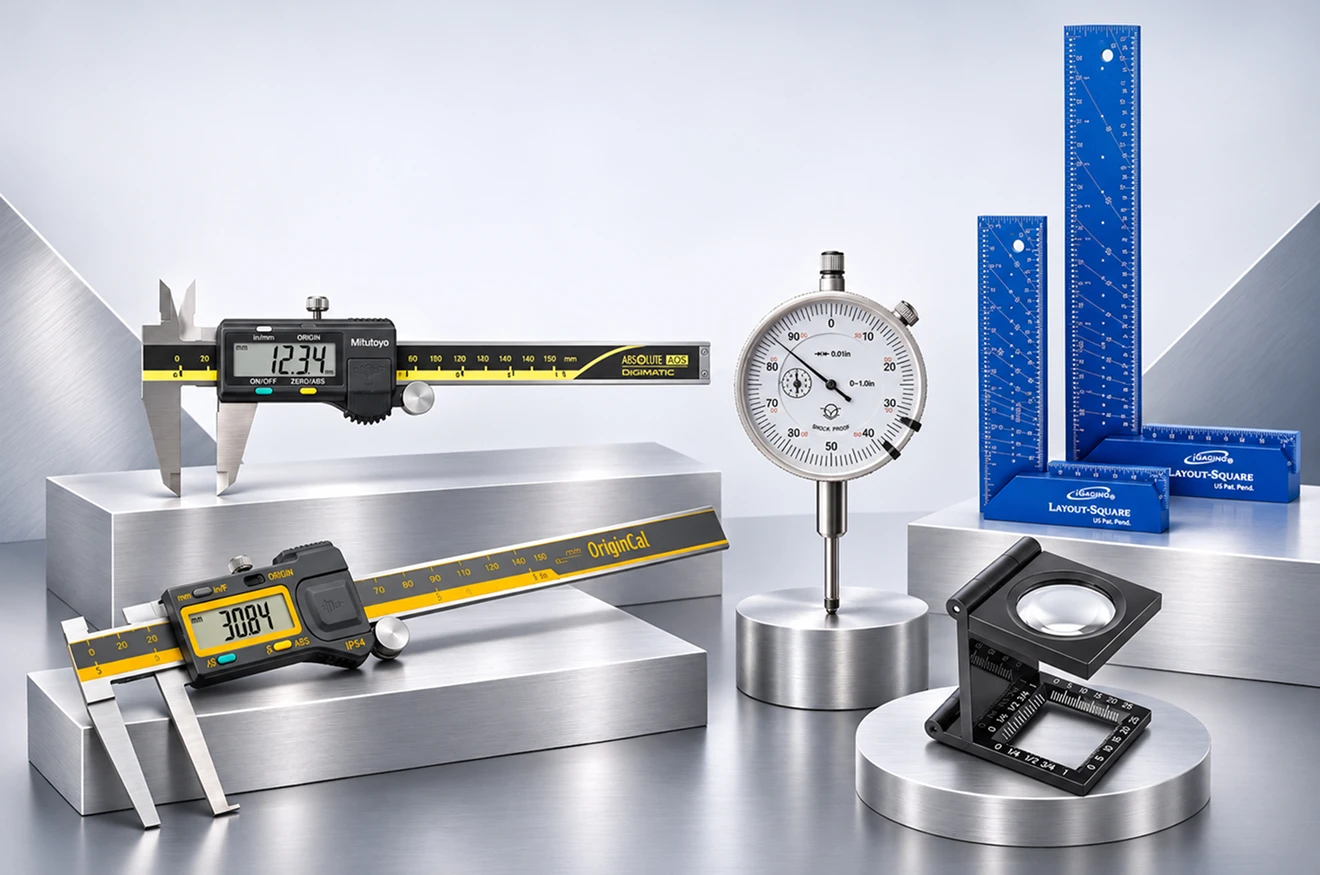
From micrometers and calipers to dial indicators and height gauges, precision measuring instruments must deliver consistent performance across applications. However, product quality alone does not determine a supplier’s value. Brand selection, product availability, technical expertise, and after-sales support also deserve close attention.
Key factors to evaluate while comparing precision measuring tool suppliers
1. Compare brands based on application requirements
A recognized brand can offer confidence in product quality, but brand reputation should not be the only selection criterion. Different manufacturers specialize in different measuring technologies, accuracy levels, instrument designs, and application requirements.
Consider these factors when evaluating brands:
- Measurement accuracy and repeatability: Review the instrument’s stated accuracy, resolution, repeatability, and applicable tolerance specifications. These factors determine whether it can support the required inspection process.
- Product range: Check whether the brand offers a complete range of instruments, including digital and mechanical calipers, outside and inside micrometers, bore gauges, indicators, and specialty measuring tools.
- Construction and durability: Evaluate materials, build quality, environmental protection, and resistance to wear, especially for instruments used frequently on the shop floor.
- Calibration and documentation: Check whether calibration certificates, inspection reports, and traceability documentation are available when required.
- Compatibility: Confirm that the instrument suits the measurement method, workpiece geometry, operating environment, and existing inspection equipment.
Comparing brands against actual measurement requirements helps prevent overpaying for unnecessary specifications or selecting instruments that cannot meet inspection needs.
2. Evaluate product availability and sourcing options
A supplier’s catalog may list hundreds of instruments, but that does not guarantee immediate availability. Delayed access to essential measuring equipment can affect inspection schedules, production planning, and quality assurance activities.
Evaluate the supplier’s inventory and sourcing capabilities by checking:
- In-stock inventory: Confirm whether frequently required instruments and replacement accessories are available for immediate shipment.
- Brand and model availability: Check whether the supplier carries the preferred brands, specific models, and required measurement ranges.
- Special-order capabilities: Determine whether discontinued, specialty, or less commonly stocked instruments can be sourced through manufacturer networks.
- Replacement availability: Check access to measuring anvils, batteries, contact points, cables, and other compatible accessories.
- Shipment commitments: Ask for realistic processing and delivery timelines, particularly for backordered and manufacturer-direct products.
A supplier with dependable sourcing options can help maintain continuity even when a particular model is temporarily unavailable.
3. Look beyond product pricing
The lowest listed price does not necessarily represent the best purchasing decision. Precision measuring instruments vary in accuracy, durability, features, documentation, and long-term maintenance requirements.
Compare the overall value of each supplier rather than focusing exclusively on the initial purchase price.
Consider:
- Whether the quoted price includes essential accessories and calibration documentation.
- Whether the instrument meets the required accuracy and tolerance specifications.
- Whether calibration, repair, and replacement services are accessible.
- Whether warranty coverage and return conditions are clearly defined.
- Whether alternative models offer comparable performance at a more competitive price.
For example, a lower-priced micrometer may appear attractive, but if it lacks the required measurement range or supporting documentation, it may not be suitable for the intended inspection process.
4. Assess technical expertise and product guidance
A good supplier should do more than process orders. Technical guidance can make a significant difference when selecting instruments for specialized applications or replacing an existing measuring system.
Evaluate whether the supplier can:
- Recommend suitable instruments: Help identify the right measuring tool based on dimensional requirements, tolerances, workpiece characteristics, and inspection methods.
- Explain product specifications: Clarify differences in resolution, accuracy, measuring range, and instrument functionality.
- Suggest compatible alternatives: Recommend suitable replacement models when a preferred brand or instrument is unavailable.
- Provide product information: Make technical specifications, operating instructions, and relevant documentation accessible.
- Support application-specific requirements: Help narrow down options for machining, toolroom inspection, production measurement, and quality control.
A supplier with sound product knowledge can simplify purchasing decisions and reduce the risk of ordering unsuitable equipment.
5. Examine after-sales service and warranty support
Precision measuring instruments require proper handling and periodic attention to maintain measurement reliability. Supplier support should extend beyond the initial purchase, particularly for equipment used in regular production and inspection activities.
Before placing an order, review:
- Warranty coverage: Understand the warranty period, covered defects, exclusions, and claim process.
- Return and replacement assistance: Check how damaged, defective, or incorrectly supplied instruments are handled.
- Repair support: Determine whether the supplier can facilitate manufacturer repairs or connect buyers with authorized service providers.
- Calibration assistance: Ask whether calibration services or referrals to qualified calibration laboratories are available.
- Replacement parts: Confirm access to compatible accessories and components needed to keep instruments operational.
Calibration documentation also deserves attention. For applications requiring measurement traceability, buyers should understand what the calibration certificate establishes. According to NIST, metrological traceability requires a documented, unbroken chain of calibrations, with each link contributing to measurement uncertainty. A calibration certificate alone does not automatically establish traceability for every subsequent measurement.
6. Compare suppliers using consistent evaluation criteria
Comparing suppliers becomes easier when every candidate is assessed against the same purchasing requirements. Rather than relying on catalog descriptions or quoted prices alone, use a consistent evaluation framework.
| Evaluation criteria | What to verify |
|---|---|
| Brand selection | Availability of established manufacturers and suitable product lines |
| Product specifications | Accuracy, resolution, range, and application compatibility |
| Inventory | In-stock models, backorders, and sourcing options |
| Pricing | Product cost, accessories, calibration, and shipping |
| Technical support | Product recommendations and specification guidance |
| After-sales service | Warranty, returns, repairs, and replacement parts |
| Documentation | Product manuals, specifications, and calibration records |
| Delivery | Order processing, shipping commitments, and tracking |
Send the same product requirements to each supplier when requesting quotes. This makes it easier to compare equivalent instruments, identify differences in included services, and evaluate the actual value of each offer.
Select a Precision Measuring Tool Supplier That Supports Production Needs
Selecting a precision measuring tool supplier is a long-term purchasing decision, not simply a price comparison. The right partner should offer dependable brands, relevant product availability, accurate product information, and responsive support throughout the purchasing cycle.
Penn Tool Co. offers a range of industrial tools and equipment for manufacturing, machining, and workshop requirements. Explore our selection of precision measuring instruments to find suitable options for inspection and measurement applications. For product-related assistance or purchasing inquiries, contact our team to help identify the right equipment for operational requirements.